2026 Best Prefab Walk In Cooler Options for Global Buyers
The demand for efficient cooling solutions has led to the popularity of Prefab Walk In Coolers among diverse industries. According to a recent report by MarketsandMarkets, the global market for cold storage equipment is projected to reach $26 billion by 2026. This significant growth highlights the increasing necessity for reliable refrigeration systems. Industry expert, Dr. Laura Smith, emphasizes, "Investing in a quality Prefab Walk In Cooler brings efficiency and longevity to your storage needs."
Prefab Walk In Coolers are tailored to various applications, from restaurants to pharmaceutical storage. Many buyers seek customization to fit their unique specifications. However, some still overlook essential factors, such as insulation quality and energy efficiency, which can impact long-term costs.
As manufacturers innovate, they continue to improve design flexibility and installation speed. This also creates challenges for some customers who must navigate the myriad of options available. Ensuring that your choice aligns with industry standards is critical. The right Prefab Walk In Cooler can significantly enhance operational efficiency and provide peace of mind for global buyers.
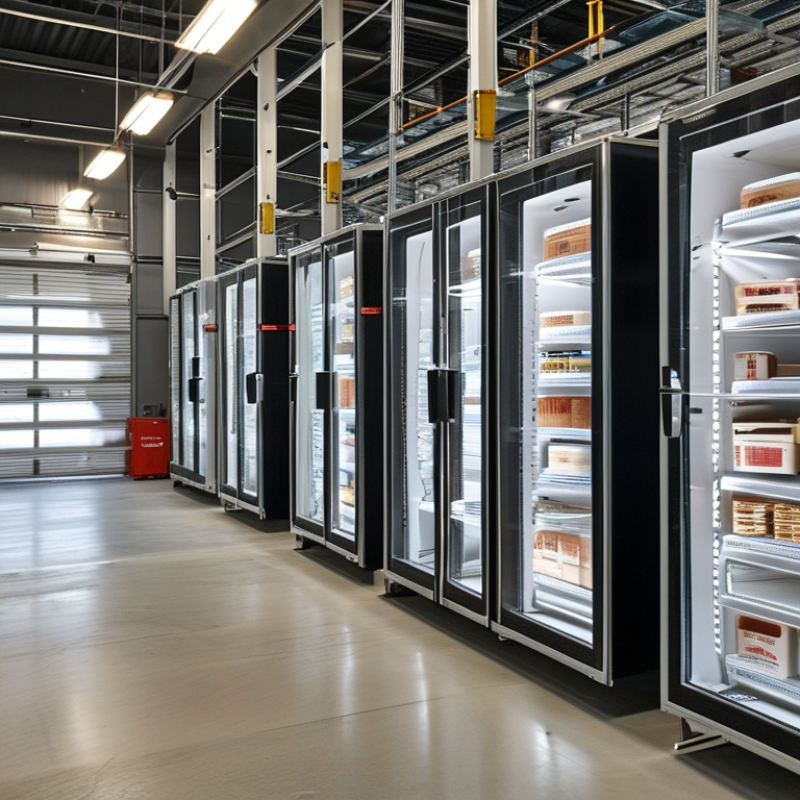
2026 Overview of Prefabricated Walk-In Coolers in the Market
The prefabricated walk-in cooler market is gaining momentum as businesses prioritize efficient storage solutions. According to industry reports, the global prefabricated cooler market is expected to reach $3.5 billion by 2026, growing at a CAGR of 7.5%. This growth indicates a rising demand for temperature-sensitive storage across various sectors, including food service, pharmaceuticals, and logistics.
When evaluating options, buyers should consider the construction material and insulation quality. Most coolers use polyurethane for insulation, which provides excellent thermal efficiency. The thickness of insulation impacts energy consumption. A cooler with inadequate insulation can lead to over 30% more energy use, significantly affecting costs.
Tips: Optimize your cooler selection process by assessing energy ratings. Look for models with energy-efficient certifications. Additionally, consider your space requirements. A poorly planned layout can hinder workflow and accessibility. The importance of proper installation cannot be overstated; incorrect setups may lead to exposure to fluctuating temperatures. Keep in mind that quality matters, and cheaper options may compromise durability and performance over time.
2026 Best Prefab Walk In Cooler Options for Global Buyers
| Model | Size (Cubic Feet) | Temperature Range (°F) | Energy Efficiency Rating | Price (USD) | Special Features |
| Walk-In Cooler A | 100 | 32 to 38 | A+ | 5,000 | LED Lighting, Remote Monitoring |
| Walk-In Cooler B | 150 | 30 to 40 | A | 6,000 | Quick Assembly, Dual Temperature Zones |
| Walk-In Cooler C | 200 | 28 to 38 | A++ | 7,500 | Insulated Panels, Custom Sizes Available |
| Walk-In Cooler D | 250 | 30 to 36 | B | 8,500 | High Capacity, Easy Cleaning Features |
| Walk-In Cooler E | 300 | 25 to 35 | A+ | 9,000 | Smart Temperature Control, Durable Construction |
Key Features and Specifications of Walk-In Coolers for Buyers
When selecting prefab walk-in coolers, buyers should focus on key features and specifications that ensure efficiency and durability. One crucial aspect is insulation thickness. Cooler walls typically range from 3 to 6 inches of insulation. The Department of Energy suggests that thicker insulation significantly improves energy efficiency. A cooler with 6-inch walls can have a lower energy cost by up to 30% compared to models with 3-inch walls.
Another vital specification is the cooling capacity. Walk-in coolers are available with capacities as low as 1,000 BTU to over 30,000 BTU. This range allows buyers to select a model that suits their storage needs without unnecessary energy expenditure. According to industry reports, properly sized coolers can reduce energy consumption by 10-20%. Additionally, buyers should consider the refrigerator’s temperature range, typically between 32°F and 40°F for perishables.
Material quality cannot be overlooked. The typical use of stainless steel or heavy-duty aluminum improves durability. However, it is essential to note that not all materials perform equally in various climates. Humidity levels can impact a cooler's lifespan. Buyers must reflect on their local climate and choose materials accordingly. This consideration may pose challenges but is crucial for making a sound investment.
2026 Best Prefab Walk In Cooler Options
Top Manufacturers and Their Market Share in Prefab Cooler Industry
The prefab cooler industry has seen notable growth in recent years, with several top manufacturers dominating the market. A report from MarketsandMarkets suggests that the global prefab cooler market is projected to reach $2.6 billion by 2026, expanding at a compound annual growth rate (CAGR) of 6.5%. This growth is being driven by the demand for reliable cold storage solutions across various sectors such as food and beverage, pharmaceuticals, and agriculture.
Analysis of market share reveals that a handful of manufacturers control a significant portion of the market. The top four players together hold around 45% of the total market share. This concentration raises questions about competition and innovation within the industry. Smaller companies may struggle to secure contracts against these established brands, impacting their ability to grow and innovate.
Furthermore, while these large manufacturers offer comprehensive solutions, they may not always meet the specific needs of diverse customers. There is potential for improvement. Tailoring products to regional demands and emphasizing sustainability could benefit both manufacturers and their clients. The need for transparency in product sourcing and material use also signifies an essential trend. As the market evolves, it's crucial for all players to adapt to changing consumer expectations.
Energy Efficiency Ratings: Importance and Impact on Operating Costs
Energy efficiency ratings play a crucial role in selecting prefab walk-in coolers. These ratings determine how much energy the cooler will consume during operation. A higher rating usually indicates better efficiency. Energy-efficient models help businesses save on utility costs. Reducing energy consumption can lead to significant savings over time.
Understanding the impact of these ratings is essential. Operating a walk-in cooler can be a continuous expense. Businesses often overlook these long-term costs. Inferior models may seem cheaper upfront but cost more in electricity bills. This can be counterproductive. Choosing a high-efficiency model can mitigate those risks.
Buyers should be cautious. With many options on the market, thorough research is necessary. Look for reliable sources that detail energy efficiency standards. Gathering insights from professionals in the field can also aid decision-making. It’s vital to consider both initial costs and long-term savings. An informed choice can enhance sustainability efforts and improve overall profitability.
Global Trends Influencing the Prefab Cooling Solutions Market in 2026
The global prefab cooling solutions market is evolving rapidly. By 2026, several trends will shape this industry. Increased demand for sustainable and energy-efficient cooling systems stands out. Businesses are prioritizing eco-friendliness, influencing product design and manufacturing processes. Energy-saving technologies, such as solar power and efficient insulation, are becoming standard features.
Additionally, customizability is increasingly important. Buyers desire solutions tailored to their specific needs. Modular designs enable easy expansion and adjustments. This adaptability meets diverse user requirements. As industries expand, so does the need for varied sizes and configurations. However, balancing customization with standardization remains a challenge.
Moreover, the global supply chain disruptions have raised concerns. Some buyers worry about availability and delivery timelines. As production speeds up, companies face pressure to maintain quality. Finding reliable suppliers is crucial. The need for robust, high-quality materials is imperative. Addressing these issues will be vital as the market grows, ensuring buyers receive dependable solutions amid complexities.