How to Choose the Best Cat Loungers for Your Feline Friend?
Choosing the right cat loungers, or "лежаки для кошек," is essential for your feline friend's happiness. Renowned pet expert Dr. Elena Petrov, known for her research on cat behavior, states, "Comfort is key to a cat's well-being." This insight highlights the vital role of a perfect lounging spot for our cats.
When selecting a cat lounger, consider the material, size, and style. Cats are often picky about their resting spots. A soft hammock might entice a kitten, while a cozy cave could be a haven for a senior cat. The variety in designs and textures can cater to different preferences, so it’s important to observe your cat’s habits.
Don’t overlook aesthetics. A lounger that matches your home's decor can be both stylish and functional. However, be wary of flashy designs that prioritize looks over comfort. Ultimately, ensuring that your cat feels at ease in its new nest should remain a priority. How well our pets lounge reveals much about their comfort in our homes. Thus, finding the right "лежаки для кошек" is a journey worth taking.
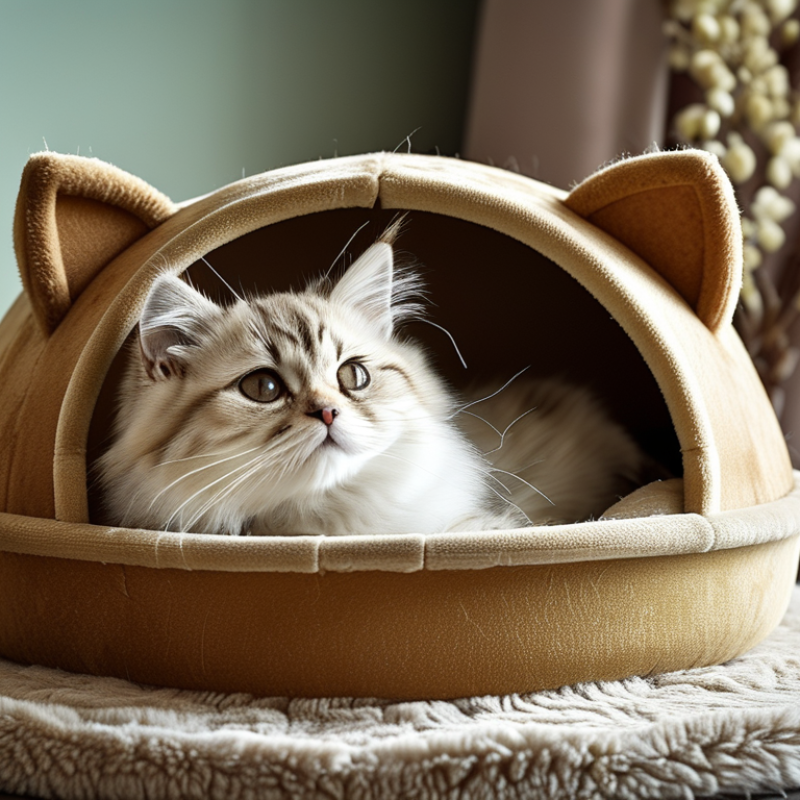
Understanding Your Cat's Preferences for Lounge Options
When selecting a cat lounger, understanding your feline friend’s preferences is crucial. Cats are unique in their likes and dislikes. Some prefer soft and cushy spots, while others enjoy sturdy surfaces. Observe where your cat likes to rest. Is it a high perch or a cozy corner?
Creating an environment that caters to their preferences can enhance their comfort and happiness. For some cats, a simple sunlit window perch can be perfect. Others may prefer enclosed spaces that provide a sense of security.
Tips: Choose materials that are easy to clean and durable. Cats can be picky, so having a few options available might be wise. Consider your cat's size. Some loungers are too small for larger breeds. Paying attention to your cat’s behavior can lead to better choices. Look for signs of enjoyment or discomfort when you introduce new loungers. Your cat’s reaction will guide you to the perfect lounging solution.
Exploring Different Types of Cat Loungers Available on the Market
When selecting the right cat lounger, variety plays a crucial role. There are several types of loungers available. Each type serves different needs and preferences. For instance, some loungers are designed for sunbathing. They offer a flat, warm surface that attracts cats.
Others feature elevated designs. These can satisfy your cat’s natural instinct to perch high. They may have multiple levels or cute hideaways. Soft, plush materials often enhance comfort. However, not all cats prefer the same style. A cat that loves to scratch may bypass plush loungers altogether.
Consider size and space when choosing. Measure your available area before purchasing. Some loungers may look cute but take up too much space. It is essential to observe your cat's behavior too. Watch how they interact with existing furniture. A lounge they ignore might lead to wasted money. Think about their preferences; it can help narrow down your options.
Evaluating Materials for Comfort and Durability in Cat Loungers
When selecting a cat lounger, material plays a crucial role in both comfort and durability. Many studies indicate that cats prefer soft textures for lounging. According to a survey by Pet Product News, 78% of cat owners find that fabric type significantly influences their pets' relaxation habits. Common materials include fleece, cotton, and plush. Each has its pros and cons. Cotton is breathable but can wear down quickly. Fleece offers warmth but may not withstand sharp claws well.
Consider how easy the material is to clean. Many cat loungers collect hair and odors, demanding frequent washing. A durable fabric increases longevity, leading to better value over time. For instance, synthetic blends often resist stains and enhance durability. This insight comes from a recent industry report stating that well-constructed loungers can last up to three years with proper maintenance.
Tips: Look for removable covers for easy washing. Check if the seams are reinforced. A good lounger should hold its shape after numerous uses. Cats can be picky about comfort. A lounger may look enticing but could fall short in practicality. Always observe your cat's preferences and make adjustments as needed. This thoughtful approach leads to enhanced satisfaction for your feline companion.
Assessing Size and Space Requirements for Your Home and Cat
When selecting a cat lounger, consider both the size of your feline friend and your living space. Cats come in various shapes and sizes. A larger cat may require a more spacious lounger, while smaller breeds can fit comfortably in compact structures. Measure your cat’s length, height, and weight. This helps you avoid purchasing a lounger that is too small or too large.
Space is another critical factor. Look around your home and find areas where a lounger can fit. Some loungers are designed for corners or can be hung on walls. Ensure the location is quiet and cozy, perfect for a cat nap. If your living area is limited, consider multi-functional loungers that blend in with home décor.
Tip: Look for loungers with removable covers for easy cleaning.
Keep in mind that your cat may not immediately use the new lounger. Patience is key. Cats can be picky about their resting spots. Sometimes, placing familiar blankets or toys on the lounger can encourage them to explore. If it remains ignored, assess its location or design for better results.
Tip: Observe your cat’s behavior to identify their favorite lounging spots; this insight can guide your choice of a new lounger.
Choosing Eco-Friendly and Safe Options for Your Feline Friend
When choosing a cat lounger, consider eco-friendly materials. Cats spend much time lounging, so their furniture should be safe. Look for loungers made from natural fibers, such as cotton or jute. These materials are biodegradable and non-toxic, making them safer for your pet and the environment.
Avoid synthetic materials that may off-gas harmful chemicals. Cats are sensitive to their surroundings. A lounger made from processed materials can also cause skin irritation. Additionally, check for certifications that ensure safety standards. It’s essential to prioritize your cat's well-being.
Consider the longevity of the lounger. Some eco-friendly options may seem more expensive upfront, but they often last longer. Think about your cat’s behavior; do they scratch or chew? Choose a design that can withstand their playful nature. It’s also worthwhile to reflect on your buying habits. Are you drawn to trendy designs over durability? Making conscientious choices will lead to a happier home for you and your feline friend.