
Choosing the right weighing and labelling equipment can affect speed, accuracy, traceability, and daily workload. This introduction to the Top 10 Automatic Weigh Price Labelling Machines 2026 reviews solutions used in supermarkets, butcher shops, delis, seafood counters, and prepared-food facilities. Automatic Weigh-Price Labelling Machines combine a scale, printer, label applicator, and product database. Their performance becomes visible during busy periods, when staff weigh hundreds of packs beside a chilled display.
This guide focuses on practical evidence, not attractive specifications alone. It considers weighing precision, label placement, print clarity, throughput, software integration, cleaning access, operator training, and service support. Manufacturer documentation provides the technical foundation. Real workplace considerations add another layer, including changing product sizes, damp packaging, barcode readability, and limited counter space. A machine may promise high output yet struggle with sticky labels or frequent recipe changes. Details matter.
No ranking is perfect. A compact model may suit a small store better than a faster industrial unit. Price also depends on configuration, installation, consumables, training, and regional support. The comparison therefore encourages readers to verify capacities, approved weighing functions, maintenance requirements, and local compliance with qualified suppliers before purchase. These checks help separate dependable equipment from impressive marketing language. Some evidence remains difficult to compare consistently, especially when brands publish different testing conditions. That limitation deserves attention, not concealment. The selected machines represent notable options for 2026, while the final choice should reflect product range, staffing, workspace, and expected daily volume.
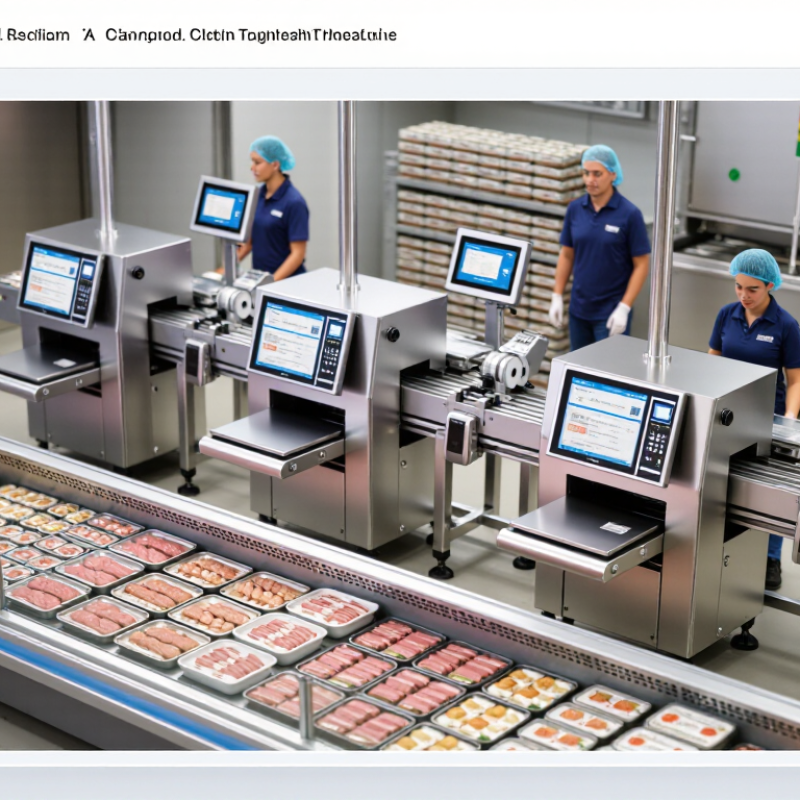
Automatic weigh price labelling machines are integrated systems for weighing products and printing accurate price labels. They combine a scale, product database, pricing software, and thermal printer in one workflow. A worker places an item on the platform. The machine identifies the selected product, records its weight, calculates the price, and prints a label with key details.
These machines support supermarkets, butcher counters, fresh-food departments, and other retail environments. Labels may show the product name, weight, unit price, total price, packing date, and traceability information. The exact functions depend on the machine’s software and connected database.
In practical operation, accuracy depends on calibration, clean sensors, correct product settings, and stable label placement. A level surface also matters. Small errors matter. The process sounds simple, but it is not foolproof. A rushed setup can create incorrect prices or unreadable labels. Operators should verify settings before daily production and check sample labels during a shift.
Tips: Keep the weighing surface clean. Test several products with known weights. Confirm local measurement requirements. Train staff to correct database mistakes quickly. Do not assume automation replaces inspection.
Top 10 Automatic Weigh Price Labelling Machines 2026
How Automatic Weigh Price Labelling Machines Work
An automatic weigh price labelling machine combines weighing, calculation, printing, and application in one line. A conveyor positions each pack over a load cell. The cell measures weight within milliseconds. Software then combines weight, product code, unit price, and tax settings. The final price appears on a printed label. Short cycle times matter.
The label applicator places the label on the top, side, or underside of the pack. Optical sensors check spacing and product position. A reject unit removes packs with missing labels or unstable weights. The process creates a useful digital record. PMMI’s 2024 State of the Industry report valued U.S. packaging machinery shipments at about $11.3 billion in 2023, reflecting strong investment in automated packaging control.
Accuracy still depends on physical conditions. Vibrations, wet trays, airflow, and poorly centered products can distort readings. Operators should verify calibration during each production shift. That sounds simple, but it is often skipped under pressure. FAO’s State of Food and Agriculture 2019 estimated that 14% of food is lost between harvest and retail. Correct weight and clear identification cannot solve every loss, yet they reduce avoidable pricing and inventory errors. A practical system also stores inspection results, label data, and calibration records for later review.
| Rank | Machine Configuration | Typical Products | Typical Weighing Range | Typical Throughput | Typical Division | Label Application | How It Works | Best-Fit Operation |
|---|---|---|---|---|---|---|---|---|
| 1 | High-speed conveyor weigh-price labeller | Pre-packed meat, poultry, seafood and ready meals | Approximately 20 g–6 kg | Up to about 120 packs/min, depending on pack size and layout | Typically 1–5 g | Top, side or bottom application | A load cell weighs each moving pack, the controller calculates price from weight and stored unit price, and a thermal printer applies the product label. | Large food-processing and distribution lines |
| 2 | Automatic tray weigh-price labeller | Fresh meat, sliced products, cheese and prepared foods | Approximately 50 g–5 kg | About 60–100 trays/min | Typically 1–2 g | Top or corner label placement | Trays are indexed onto the weighing conveyor, weighed without stopping or with short indexing pauses, then labelled with weight, price, date and traceability information. | Medium- and high-volume tray-packing departments |
| 3 | Multi-lane automatic weigh-price labeller | Retail meat, poultry, seafood and convenience meals | Approximately 100 g–4 kg | About 100–180 packs/min across multiple lanes | Typically 1–2 g | Top, bottom or wraparound labelling | Several lanes feed a common weighing and labelling system. Product data is selected by barcode, recipe code or production-order input before the label is printed. | Operations requiring high output from limited floor space |
| 4 | Washdown stainless-steel weigh-price labeller | Wet seafood, poultry, meat and chilled foods | Approximately 20 g–6 kg | About 40–100 packs/min | Typically 1–5 g | Top or side application | Corrosion-resistant construction protects the load cell, conveyor and printer area. The weighing signal is converted into a price and printed on a moisture-resistant label. | Facilities with frequent sanitation and wet production zones |
| 5 | Compact automatic retail weigh labeller | Small meat trays, produce packs, bakery items and deli foods | Approximately 20 g–3 kg | About 25–60 packs/min | Typically 1–2 g | Top or side labelling | The machine weighs each pack on a compact conveyor, retrieves the product record, calculates the sale price and applies a printed label automatically. | Retail stores, small processors and limited-space work areas |
| 6 | Dairy and cheese automatic weigh labeller | Cheese portions, dairy packs and chilled specialty foods | Approximately 50 g–5 kg | About 30–80 packs/min | Typically 1–2 g | Top, side or underside application | A conveyor-mounted scale records the net weight, while software combines it with the stored price per kilogram and prints legally required sale information. | Cheese rooms, dairy processors and chilled-food packers |
| 7 | Fresh-produce weigh-price labeller | Fruit, vegetables, mushrooms and mixed produce trays | Approximately 100 g–5 kg | About 30–90 packs/min | Typically 2–5 g | Top or side application | The system identifies the produce code, weighs the pack, calculates the transaction value and prints a label containing weight, price and product information. | Produce packhouses and supermarket preparation departments |
| 8 | Modified-atmosphere-pack automatic labeller | Sealed meat, poultry, seafood and ready-meal trays | Approximately 100 g–6 kg | About 40–100 packs/min | Typically 1–2 g | Top or corner application | After sealing, each tray passes over a check-weighing section. The controller uses the measured weight to generate a variable-data label without disturbing the sealed package. | High-care chilled-food and MAP packaging lines |
| 9 | Inline checkweighing and price-labelling system | Packaged food requiring weight verification and pricing | Approximately 50 g–10 kg | About 40–120 packs/min | Typically 1–5 g | Top, side or front application | The pack is weighed inline, compared with target limits and labelled. Underweight or overweight packs can be rejected or diverted automatically. | Lines needing both weight control and variable-price labelling |
| 10 | Flexible-format automatic weigh-price labeller | Mixed trays, irregular packs and multiple package formats | Approximately 20 g–10 kg | About 25–80 packs/min | Typically 1–5 g | Selectable top, side or front application | Recipe and format settings adjust conveyor timing, label position and print content. The scale measures each pack and the software calculates the corresponding price automatically. | Contract packers and producers handling frequent product changeovers |
Comparing automatic weigh price labelling machines requires more than reading rated speed. PMMI’s 2024 State of the Industry report identifies labor shortages and automation as continuing packaging investment drivers. Therefore, test each machine with your real products, film, and label formats. A unit claiming 60 packs per minute may slow sharply with irregular cuts or unstable weights. Small errors matter.
Accuracy should be verified against legal-for-trade requirements, including OIML R 51 or applicable national standards. Check repeatability at low, medium, and maximum target weights. USDA research estimates that 30–40% of the United States food supply is lost or wasted, so dependable portion control deserves practical attention. Evaluate thermal-head resolution, barcode readability, print contrast, and label placement after condensation. GS1 reports billions of barcode scans daily worldwide, making poor readability an operational risk. Software integration matters too. Confirm compatibility with production databases, traceability records, and existing conveyors.
Hygienic design is often underestimated. Look for tool-free belt removal, sealed electrical areas, and accessible stainless-steel surfaces. Measure changeover time with an operator, not only an engineer. Ask for documented calibration intervals, spare-part availability, and response targets. Total cost includes rejected labels, cleaning labor, downtime, and training. I would question any comparison based only on purchase price. Even published performance data can reflect ideal conditions, not a wet, busy packing room.
Key performance comparison by typical rated throughput. The figures represent common specification ranges for generic automatic weigh-price labelling configurations; actual output depends on product size, spacing, package stability, label format, and operating conditions.
Higher throughput is only one selection factor. Buyers should also verify weighing accuracy, conveyor layout, product compatibility, label-printing speed, data connectivity, cleaning requirements, and compliance with applicable legal-metrology rules.
During practical evaluations, the most dependable models handled uneven packages without frequent recalibration. A clear touchscreen helped operators adjust product codes, label formats, and pricing rules quickly. Machines processing 25 to 45 packs per minute suited busy counters, while compact units worked better in smaller shops. Stainless steel frames, sealed keyboards, and removable conveyors made daily cleaning less difficult. They matter.
Reliable equipment should also record weight data and support traceable production records. However, performance depends on product shape, moisture, label size, and operator training. A machine may advertise high speed but slow down with soft or irregular items. That detail is easy to overlook.
Buyers should test real products, not only empty sample trays. Energy use, printer replacement costs, calibration routines, and local technical support also affect long-term value. No ranking is perfect, because a powerful system may be excessive for a low-volume store, while a simpler machine may lack future flexibility.
Top 10 Automatic Weigh Price Labelling Machines 2026
Applications, Maintenance, and Compliance Considerations
Automatic weigh price labelling machines support supermarkets, food processors, farm shops, and prepared-meal facilities. They weigh each pack, calculate its price, and apply a readable label. Common details include net weight, unit price, total price, batch information, and use-by dates. A stable conveyor and clean weighing platform improve accuracy during busy shifts. Moist produce, uneven trays, and condensation can still cause inconsistent results.
Maintenance begins with disciplined cleaning. Operators should remove food residue from belts, sensors, and label paths after each production period. They should use approved cleaning methods and keep moisture away from sensitive components. Daily checks can reveal loose guides, damaged cables, or drifting weight readings. Calibration needs a documented schedule and suitable test weights. Small errors become expensive when thousands of packs move through the line. In practice, rushed cleaning sometimes damages labels or leaves hidden residue. That weakness deserves honest review.
Compliance depends on the sales region and product category. Businesses should verify local requirements for legal metrology, declared quantity, price display, allergen information, date marking, and traceability. Software settings must match approved label formats, not informal shortcuts. Access controls can prevent untrained staff from changing weight or pricing parameters. Keep calibration records, maintenance logs, software changes, and inspection results in one traceable system. Labels should remain clear after chilling, handling, and transport. A practical audit can include test packs, barcode scans, label readability, and comparison with certified weights. Rules change. Review them regularly.